Nov 22, 2026 · 2 MIN
How to spot an expert
What to look for when hiring someone who claims to know what they're doing.
Experience Is Easy to Claim. Expertise Is Harder to Fake.
What to look for when hiring someone who claims to know what they're doing.
Everyone's an expert these days. Spend five minutes on LinkedIn and you'll find people who are experts in branding, strategy, innovation, user experience, and whatever AI-related discipline was invented last Thursday.
The word has become so overused that it's practically meaningless. Agencies claim expertise across a dozen disciplines. Freelancers describe themselves as specialists in everything. Job titles suggest authority that the actual work doesn't always support.
So how do you know whether someone actually knows what they're doing?
Experience and expertise aren't the same thing.
Years of experience matter, but they're not a guarantee of expertise. Someone can spend 20 years doing the same thing without ever getting particularly good at it.
What matters is what they've learned along the way. Have they worked through difficult problems? Made mistakes? Changed their approach when something wasn't working? Can they recognize a bad idea before everyone spends six months and a considerable amount of money discovering it for themselves?
I've worked in design and development for more than 25 years, and one of the advantages of that experience is recognizing problems I've seen before. Sometimes the technology is different or the business has changed, but the underlying problem is remarkably familiar.
Experience becomes expertise when you know what to do with it.
Pay attention to the questions.
One of the easiest ways to recognize an expert is to listen to what they ask before they start talking about solutions.
A prospective client might come in wanting a new website. An inexperienced agency starts discussing platforms, page counts, timelines, and budgets. Maybe they show a few examples of websites they've built.
An experienced partner wants to know why the current website isn't working. Who's using it? What are they trying to accomplish? What's changed about the business? Is a new website even the right solution?
Those questions aren't an attempt to complicate the project. They're how you avoid spending money solving the wrong problem.
And sometimes the most useful answer an expert can give you is that you don't need what you're asking them to build.
A little disagreement is a good sign.
There's a difference between someone who listens to your ideas and someone who agrees with all of them.
Clients should absolutely have a voice in the work. They understand their businesses, their customers, and the problems they're trying to solve. But they're also hiring outside expertise for a reason.
If every suggestion you make is immediately met with enthusiasm, you might want to wonder whether you're getting professional judgment or simply excellent customer service.
A good designer should be comfortable explaining why a particular approach might not work. A good developer should be willing to question unnecessary complexity. A good strategist should be able to identify assumptions that deserve a closer look.
They should also be willing to admit when the client has a better idea.
Expertise doesn't require being the smartest person in every conversation. It requires having enough confidence in your knowledge to recognize when you're wrong.
Look past the portfolio.
A polished portfolio tells you what someone has produced. It doesn't necessarily tell you how they think.
Beautiful websites can have terrible usability. Award-winning campaigns can fail to deliver meaningful results. An impressive interface can conceal a product that's unnecessarily complicated or expensive to maintain.
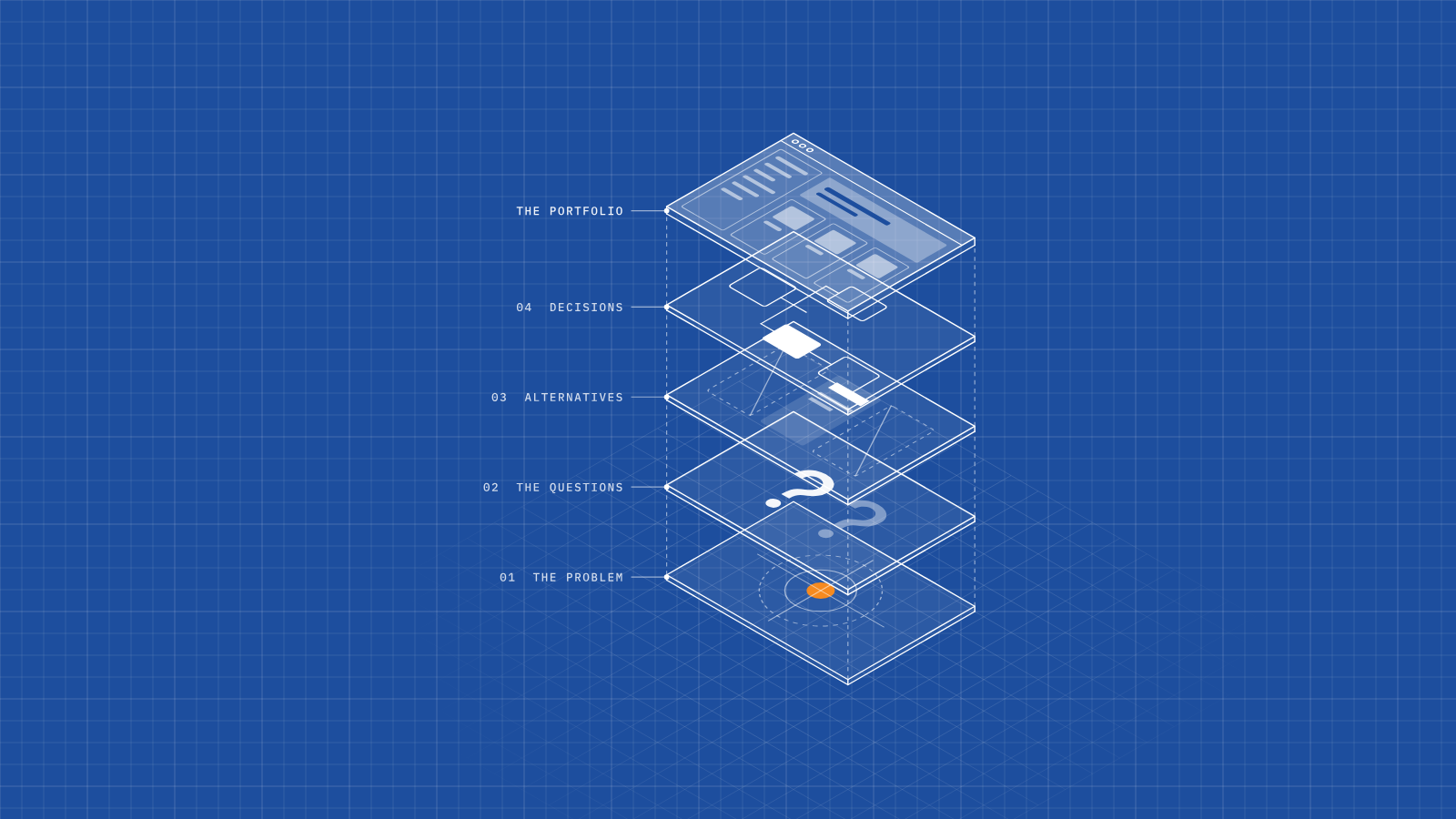
When evaluating an agency or designer, ask about the decisions behind the work.
What problem were they solving? What alternatives did they consider? What changed during the project? What would they do differently today?
Someone who genuinely understands their work can usually walk you through those decisions without turning the conversation into a presentation full of fashionable terminology.
And if every project was a flawless success with no difficult decisions, compromises, or lessons learned, I'd be a little suspicious.
Confidence shouldn't require a performance.
Some of the most knowledgeable people I've worked with are also the most comfortable saying, "I don't know."
They understand the limits of their expertise. They know when to bring in another specialist. And they don't feel compelled to manufacture an answer just because someone asked a question.
The opposite is surprisingly common, particularly in industries where appearing knowledgeable is almost as important as actually knowing something.
There's a lot of confidence for sale in the agency business. Much less accountability.
An expert should be able to explain what they know, acknowledge what they don't, and demonstrate how they'll figure out the difference.
You're hiring judgment, not just execution.
Most businesses can find someone capable of producing a website, designing a logo, or building an application. There are plenty of talented people doing excellent work, and the tools have made production more accessible than ever.
What's harder to find is someone who can help determine what should be made in the first place.
That's where expertise becomes valuable. It's the ability to connect business goals with real customer needs, recognize unnecessary complexity, and make decisions that hold up after the project launches.
At Bison Digital, that's the kind of work we believe clients should expect from a creative partner. Not just attractive deliverables or a collection of technical credentials, but thoughtful decisions backed by experience.
Because if all you need is someone to agree with you, there are considerably cheaper ways to get that.